

Who this is for: Best for beginners who want a simple, wellness-focused introduction to building a body care routine.
Check PriceWhat is How to Build a Body Care Routine? A Complete 2026 Guide
Learning how to build a body care routine can feel confusing when there are so many cleansers, exfoliants, moisturizers, and wellness trends competing for your attention. The good news is that a body care routine does not need to be complicated to be effective. With a simple, consistent structure, you can support smoother skin, better hydration, and a more intentional self-care habit that fits real life.
Related Reviews
At its core, body care is the practice of cleansing, treating, moisturizing, and protecting the skin on your body in a way that matches your needs and lifestyle. It is similar to facial skincare, but it focuses on areas like the arms, legs, chest, back, hands, and feet, which often get less attention. A well-built routine is less about buying a lot of products and more about choosing the right steps and repeating them consistently.
This guide explains how body care works, what benefits it can offer, what to look for when choosing products or resources, and how to avoid the most common mistakes. It also includes a recommended self-care title that can help you think more intentionally about your routine and overall wellness.
How It Works
A body care routine works by supporting the skin’s natural barrier, removing buildup, and replacing lost moisture. Skin on the body is exposed to daily stress from showers, shaving, sweat, clothing friction, dry air, and sun exposure, so it can easily become rough, dull, or irritated if it is ignored. A routine helps restore balance by giving the skin regular cleansing, gentle exfoliation when needed, and hydration through lotions, creams, or oils.
The “technology” behind body care is really about skin biology. Cleansers remove dirt, oil, and sweat, exfoliants help clear away dead skin cells so products can absorb better, and moisturizers help trap water in the skin so it feels softer and more comfortable. If your routine also includes sunscreen on exposed areas, you are adding protection against UV damage, which is one of the biggest contributors to premature skin aging.
For many people, the biggest benefit comes from consistency. Even a basic routine done daily or several times a week can improve skin texture over time because the skin barrier gets fewer disruptions and more support. That is why a simple plan often works better than an overly ambitious one that is hard to maintain.
Key Benefits & Use Cases
Why body care matters
A thoughtful body care routine can help you:
- Reduce dryness and rough patches
- Improve the feel and appearance of skin texture
- Support the skin barrier after showers, shaving, or exfoliation
- Create a calming self-care ritual that is easy to repeat
- Make it easier to notice changes in your skin early
Common use cases
People build body care routines for different reasons. Some want smoother arms and legs, some are trying to manage dry winter skin, and others want a simple wellness habit that helps them slow down at the end of the day. A routine can also be useful if you are trying to be more intentional about self-care overall, not just skin appearance.
Body care is especially helpful for people who:
- Take frequent showers and need to replace moisture
- Live in dry or cold climates
- Shave or wax regularly and want to reduce irritation
- Prefer a minimalist routine with only a few steps
- Want to connect skincare with broader wellness habits
What to Look For When Buying
If you are choosing products or a guide to help you build a routine, these five criteria matter most:
1. Skin type compatibility
Look for products that match your skin’s needs. Dry skin usually benefits from richer creams and oils, while oily or breakout-prone body skin may do better with lighter lotions or targeted cleansers.
2. Ingredient simplicity
Shorter ingredient lists can be easier to understand and may be a better fit if you have sensitive skin. Common helpful ingredients include glycerin, ceramides, hyaluronic acid, shea butter, and gentle exfoliating acids.
3. Routine flexibility
The best body care system is one you can actually stick with. Choose products and advice that work for morning, evening, shower time, or post-workout use without adding too much friction.
4. Value for the price
Body care products are often used generously, so cost per ounce matters. A good buy should feel practical for regular use, not just impressive on the shelf.
5. Educational clarity
If you are buying a book or guide, make sure it explains the purpose of each step clearly and gives realistic advice. The best resources do not just tell you what to use; they help you understand why each step matters.
Top Recommended Products
 THE ART OF SELF-CARE: A Powerful Guide to Redefine Wellness, Embrace who you are, Build yourself everyday, and Nurture our Body, Mind, and Soul ✓ Prime $7.99

This self-care guide is a strong fit if you want a broader wellness perspective alongside your body care routine. Rather than focusing only on products, it encourages a more intentional approach to caring for your body, mind, and daily habits.
- ✓ Focuses on self-care as a whole-body habit, not just skincare
- ✓ Budget-friendly at $7.99
- ✓ Prime availability makes ordering more convenient
- ✓ Useful for readers who want mindset support and routine-building guidance
- ✓ Can complement a simple body care plan for beginners
Common Mistakes to Avoid
When people first learn how to build a body care routine, they often make it more complicated than it needs to be. Here are the biggest mistakes to avoid:
- Using too many products at once: More steps do not always mean better results, especially if your skin is sensitive.
- Skipping moisturizer after showering: This is one of the fastest ways to let skin feel dry and tight again.
- Exfoliating too often: Over-exfoliation can damage the skin barrier and make skin look worse, not better.
- Ignoring sun protection: Exposed body areas still need UV protection when appropriate.
- Expecting instant results: Texture and hydration improvements usually take consistent use over time.
The best routines are simple, repeatable, and matched to your skin’s needs. If a routine feels too demanding, it is less likely to become a habit.
Frequently Asked Questions
What is the first step in a body care routine?
The first step is usually cleansing. A gentle shower cleanser removes sweat, dirt, and buildup so the rest of your routine can work more effectively.
How many steps should a body care routine have?
Most people only need three to four steps: cleanse, exfoliate occasionally, moisturize, and protect with sunscreen when needed. Simpler routines are often easier to maintain.
How often should you exfoliate your body?
For many people, one to three times per week is enough. The right frequency depends on your skin type, sensitivity, and the strength of the exfoliant.
Should body lotion be applied every day?
Yes, daily moisturizing is helpful for most skin types, especially after showering. It supports the skin barrier and helps reduce dryness.
How do I start a body care routine as a beginner?
Start with a gentle cleanser, a basic moisturizer, and sunscreen for exposed areas. Once that feels easy, you can add exfoliation or more targeted products if needed.
Pros
- + Whole-body self-care focus
- + Budget-friendly price
- + Prime convenience
- + Beginner-friendly wellness guidance
Cons
- – Not a product-specific skincare routine
- – Limited direct body-care product recommendations
- – May feel general for advanced users
Frequently asked questions
- What is the first step in a body care routine?
- The first step is usually cleansing. A gentle shower cleanser removes sweat, dirt, and buildup so the rest of your routine can work more effectively.
- How many steps should a body care routine have?
- Most people only need three to four steps: cleanse, exfoliate occasionally, moisturize, and protect with sunscreen when needed. Simpler routines are often easier to maintain.
- How often should you exfoliate your body?
- For many people, one to three times per week is enough. The right frequency depends on your skin type, sensitivity, and the strength of the exfoliant.
- Should body lotion be applied every day?
- Yes, daily moisturizing is helpful for most skin types, especially after showering. It supports the skin barrier and helps reduce dryness.
- How do I start a body care routine as a beginner?
- Start with a gentle cleanser, a basic moisturizer, and sunscreen for exposed areas. Once that feels easy, you can add exfoliation or more targeted products if needed.
Score breakdown
- value
- 8.0
- usability
- 8.0
- performance
- 6.0
- buyerFeedback
- 7.0
Get the Full Beauty & Personal Care Buyer's Guide
Join our free newsletter — we'll send our latest Beauty & Personal Care picks, specs and verdicts straight to your inbox.
Free. No spam. Unsubscribe anytime.
Was this review helpful?
Be the first to share your feedback on this review.
Sign in to vote and let us know what you think.
Discussion (0)
No comments yet. Be the first to start the discussion.
Related Reviews
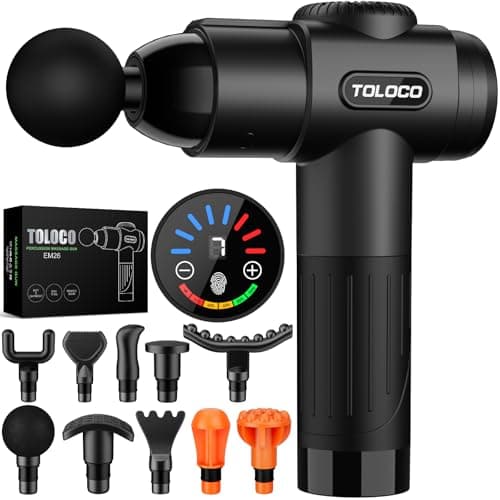
8 Best Full-Body Massage Guns in 2026 — Deep Relief for Back, Legs, and Shoulders
If you’re searching for the best full-body massage guns 2026 , you probably want one device that can handle your back, shoulders, legs, and neck without feeling underpowered or overly noisy. The picks below are built around deep-tissue specs, attachment variety, speed control, battery life, and real
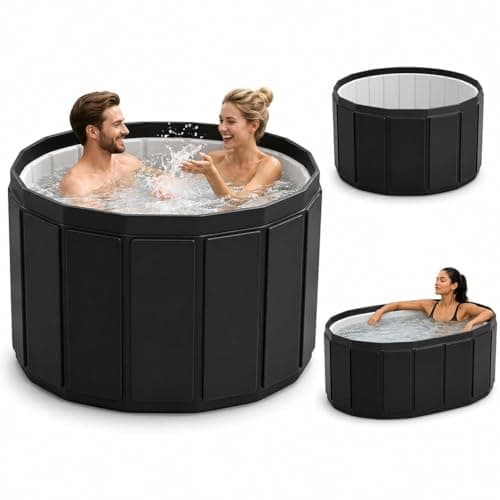
8 Best Foldable Adult Bathtubs for Small Bathrooms in 2026 — Space-Saving Comfort Without the Remodel
If you want the best foldable adult bathtubs for small bathrooms , the challenge is finding a tub that actually fits your space without feeling flimsy or hard to drain. The picks below focus on compact footprints, easy storage, adult-sized comfort, and practical features like insulation and quick dr

8 Best Portable Steam Saunas in 2026 — Best Picks for Fast Heat, Easy Setup, and Home Spa Relaxation
If you want the spa benefits of steam without paying for memberships or driving across town, a portable steam sauna can be a smart buy. The challenge is that many models look similar, but differ a lot in heat-up speed, space, safety features, and how easy they are to store. This guide rounds up the