

Who this is for: Best for buyers who want to understand home gym pricing and choose the right setup for their space, budget, and training goals.
Check PriceWhat is How Much Does a Home Gym Cost? A Complete 2026 Guide
If you’re trying to figure out how much does a home gym cost, the real answer depends on whether you want a simple starter setup, a serious strength-training space, or a premium all-in-one system. Costs can range from a few hundred dollars to several thousand, and the biggest mistake is buying the wrong mix of equipment for your space and goals. This guide breaks down the price drivers, how home gym equipment works, what to look for, and which products offer the best value based on researched specs and owner feedback.
Related Reviews
How It Works
A home gym works by replacing or combining the core functions of a commercial gym inside your house, garage, or spare room. At the simplest level, that means using a barbell and plates for progressive overload, which is the process of gradually increasing resistance so your muscles adapt and grow stronger over time.
More advanced setups add smart displays, guided workouts, mirrors, or app-based training to help with form, motivation, and consistency. In practical terms, the cost of a home gym comes down to four main categories: the equipment itself, the space you need, the flooring or storage you may need, and any digital features or subscriptions you choose to add.
Key Benefits & Use Cases
Why people build a home gym
A home gym can save time, reduce commute friction, and make it easier to stick to a routine. For many buyers, the biggest value is convenience: if your equipment is always available, you’re more likely to train consistently.
Common use cases
- Strength training: barbells, plates, racks, and benches for squats, deadlifts, presses, and rows.
- General fitness: a compact setup for full-body workouts without a commercial gym membership.
- Space-saving training: shorter bars or smart mirrors for apartments, spare rooms, or multipurpose areas.
- Skill-based work: a mirror or guided platform for yoga, dance, mobility, or technique-focused training.
For cost-conscious shoppers, a home gym can be built in stages. Many people start with one core piece, then add accessories over time as budget and training needs change.
What to Look For When Buying
1. Total budget, not just sticker price
When asking how much does a home gym cost, remember that the equipment price is only part of the equation. You may also need flooring, collars, storage, benches, or delivery costs.
2. Space requirements
Measure ceiling height, floor space, and doorway clearance before buying. A 7-foot barbell can be great in a garage gym, but a 6-foot bar may be more practical in tighter rooms.
3. Weight capacity and durability
Check load ratings, steel strength, finish quality, and sleeve design. These specs matter most if you plan to lift heavy or use the equipment frequently.
4. Training style
Choose equipment that matches your actual workouts. A lifter focused on squats and deadlifts needs different gear than someone who wants yoga, mobility, or guided classes.
5. Long-term value
The best purchase is not always the cheapest one. Look for equipment that can grow with you, support progressive overload, and hold up over years of use.
Top Recommended Products
Below are the most relevant products from the list, grouped by the kind of home gym budget and setup they support. These are research-based recommendations built from published specs, pricing, and owner feedback patterns.
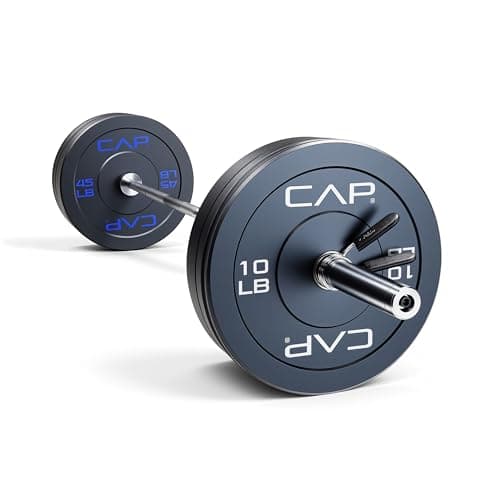
CAP Barbell 160 lb Economy Olympic Weight Set with 7ft Chrome Barbell & Black Bumper Plates with Color Logo $258.99 ✓ Prime
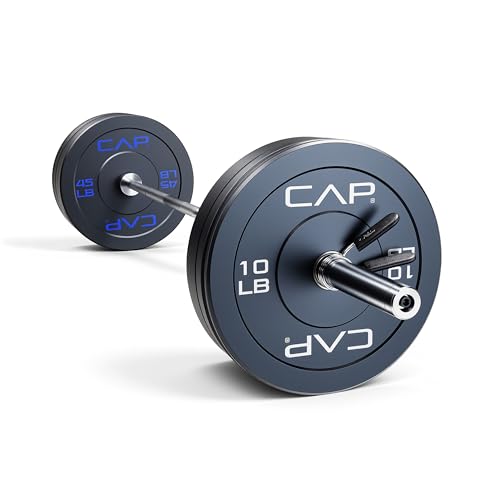
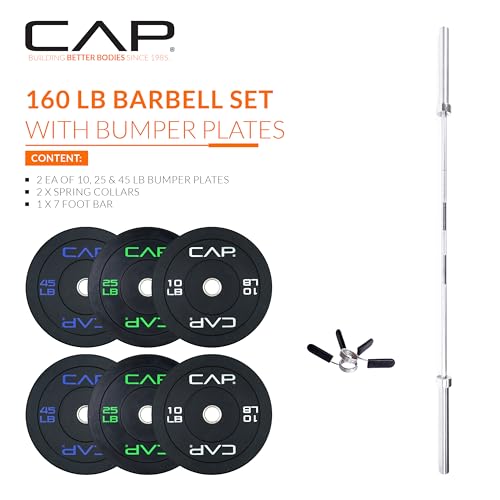

This is the most complete starter option in the list for someone building a serious strength setup on a budget. It includes a 7-foot Olympic bar, bumper plates, and collars, which means you can begin training right away without piecing together every component separately.
- ✓ Complete set with 7ft Olympic bar, bumper plates, and collars
- ✓ 500 lb bar capacity supports progressive strength training
- ✓ Rubber-coated plates help protect floors and equipment
- ✓ Good fit for squats, deadlifts, bench press, and Olympic lifts
- ✓ Prime shipping adds convenience for buyers
- ✗ Still requires enough space for a full 7-foot barbell
- ✗ Not as compact as a bar-only purchase
- ✗ Beginners may not need bumper plates right away
CAP 24 lb Olympic Barbell, 6ft Strength Training Weight Bar, Black $79.99 ✓ Prime
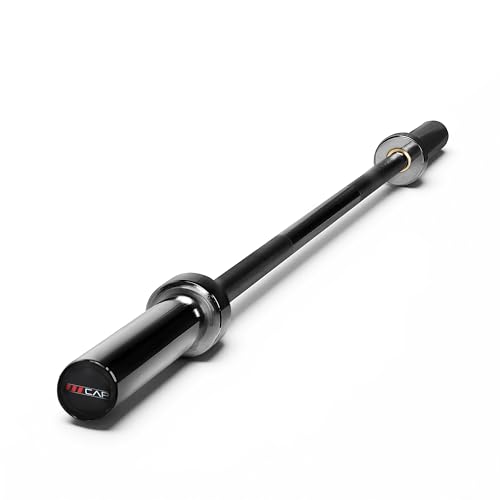

If you want a lower-cost entry point, this 6-foot bar is a practical way to start a home gym without committing to a full 7-foot setup. The shorter length makes it easier to fit into smaller rooms while still supporting classic strength movements.
- ✓ More space-friendly than a 7-foot bar
- ✓ 500 lb capacity is strong for a budget bar
- ✓ Bronze bushings support smoother sleeve rotation
- ✓ Fits standard 2-inch Olympic plates and racks
- ✓ Hard phosphate finish improves wear resistance
- ✗ Bar only, so you’ll need to buy plates separately
- ✗ Less ideal if you want a full competition-style setup
- ✗ Shorter length may feel limiting for some lifters
JELENS 7FT Bar Olympic Barbell, 1000lb Capacity Weight Bar for Strength Training, 2 Inch Strength Training Bar With Knurled Grip for Squats, Deadlifts, Presses, Rows, Curls (Silver, 7FT Olympic Barbell) $99.99 23% OFF — Was $129.99 ✓ Prime
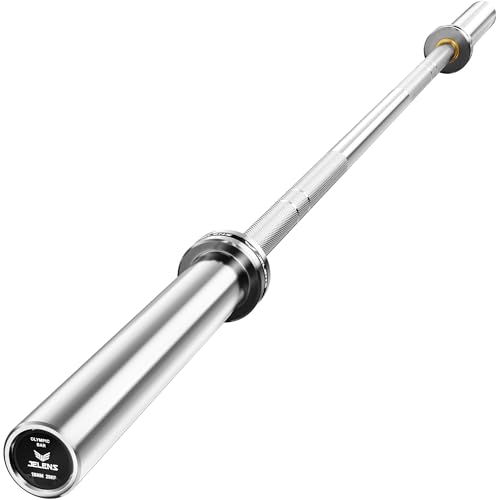

This is the best barbell-focused value in the list for lifters who want a high-capacity 7-foot option without buying a full weight set. Its 1000 lb capacity and 150,000 PSI tensile strength make it especially appealing for heavy training plans.
- ✓ Very high 1000 lb capacity for heavy lifting
- ✓ 7-foot length suits standard power rack setups
- ✓ Needle bearings and brass bushings support smoother spin
- ✓ Dual knurl markings help with hand placement
- ✓ Discounted price improves value
- ✗ Bar only, so total home gym cost rises once plates are added
- ✗ 7-foot size needs more room than a compact bar
- ✗ Overkill for very casual users
HARZHI Smart Fitness Mirror with 32'' HD Touchscreen, 65'' Full-Length Mirror, Android OS, Voice Control, for Home Gym, Yoga, Dance and Training $1199.00 ✓ Prime
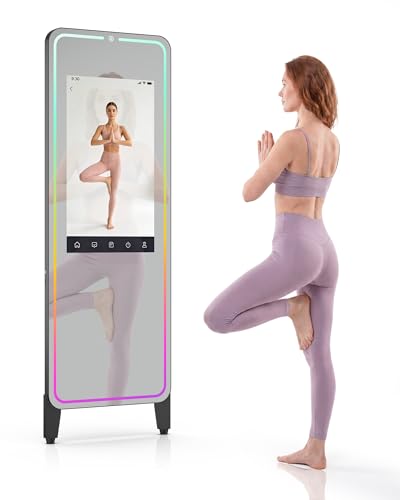

This is the premium option for buyers who want a training mirror plus smart display in one space-saving unit. It makes the most sense for people who value guided workouts, visual feedback, and an all-in-one setup more than raw lifting hardware.
- ✓ Large 32-inch HD touchscreen with interactive controls
- ✓ Open platform with no mandatory subscription fees
- ✓ Full-length mirror helps with form and posture checks
- ✓ Useful for yoga, dance, stretching, cardio, and strength work
- ✓ Space-saving design for multipurpose rooms
- ✗ Highest price in the list by a wide margin
- ✗ Not the best value if your main goal is heavy barbell lifting
- ✗ Requires power and a suitable wall or room placement
Common Mistakes to Avoid
- Buying for hype instead of your routine: Don’t pay for features you won’t use. If you only want basic strength training, a smart mirror may not be the best first purchase.
- Ignoring space constraints: A home gym can become frustrating if the bar is too long or the setup blocks walkways.
- Forgetting the hidden costs: Budget for plates, collars, flooring, storage, or accessories if they are not included.
- Choosing low capacity equipment for heavy lifting: If you plan to progress over time, make sure the bar and plates can handle it.
- Overlooking long-term value: The cheapest option may cost more later if you outgrow it quickly and need to replace it.
Frequently Asked Questions
How much does a home gym cost on average?
A basic home gym can start around a few hundred dollars, while more complete strength setups often cost closer to $500 to $1,500 or more. Premium smart systems can cost well above that.
What is the cheapest way to build a home gym?
The cheapest path is usually to buy one high-value core item first, such as a barbell or adjustable weights, then add plates, flooring, and accessories later as needed.
Is a home gym cheaper than a gym membership?
Over time, it can be. The upfront cost is higher, but a home gym may become more economical if you train consistently for years and avoid recurring monthly fees.
What equipment do I need for a basic home gym?
At minimum, many people start with a barbell and weight plates. Depending on your goals, you may also want a bench, rack, matting, and storage.
Are smart fitness mirrors worth the price?
They can be worth it for people who want guided classes, visual feedback, and a clean, space-saving setup. For pure strength training, though, a barbell-based setup usually offers better value.
Pros
- + Can start small and scale over time
- + Supports strength, cardio, or guided training
- + Convenience improves workout consistency
- + Price ranges fit different budgets
Cons
- – Upfront cost can be high
- – Space requirements are easy to underestimate
- – Hidden costs like flooring and accessories add up
Frequently asked questions
- How much does a home gym cost on average?
- A basic home gym can start around a few hundred dollars, while more complete strength setups often cost closer to $500 to $1,500 or more. Premium smart systems can cost well above that.
- What is the cheapest way to build a home gym?
- The cheapest path is usually to buy one high-value core item first, such as a barbell or adjustable weights, then add plates, flooring, and accessories later as needed.
- Is a home gym cheaper than a gym membership?
- Over time, it can be. The upfront cost is higher, but a home gym may become more economical if you train consistently for years and avoid recurring monthly fees.
- What equipment do I need for a basic home gym?
- At minimum, many people start with a barbell and weight plates. Depending on your goals, you may also want a bench, rack, matting, and storage.
- Are smart fitness mirrors worth the price?
- They can be worth it for people who want guided classes, visual feedback, and a clean, space-saving setup. For pure strength training, though, a barbell-based setup usually offers better value.
Get the Full Home Buyer's Guide
Join our free newsletter — we'll send our latest Home picks, specs and verdicts straight to your inbox.
Free. No spam. Unsubscribe anytime.
Was this review helpful?
Be the first to share your feedback on this review.
Sign in to vote and let us know what you think.
Discussion (0)
No comments yet. Be the first to start the discussion.
Related Reviews
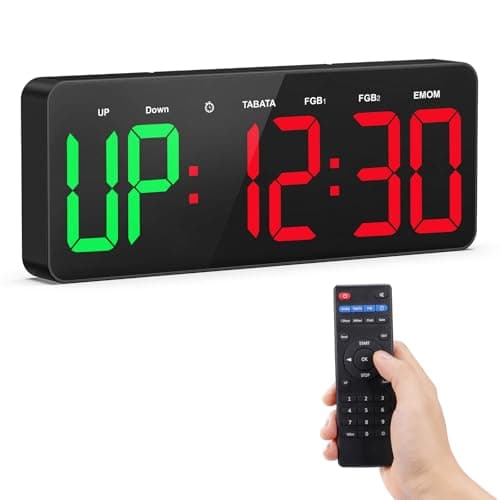
1 Best Gym Timers in 2026 — Clear Visibility and Versatile Interval Training
If you’re searching for the best gym timers 2026 , you probably want one thing: a timer that’s easy to read, easy to hear, and reliable for serious workouts. Whether you’re setting up a home gym, coaching classes, or running Tabata and EMOM sessions, the wrong timer can slow everything down. This re
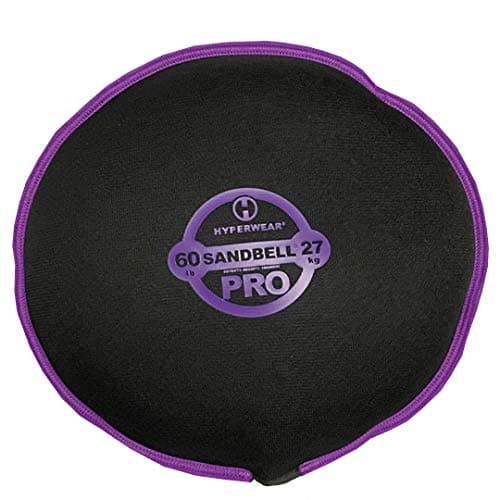
1 Best Sandbags and Slam Balls in 2026 — Durable, No-Leak Training for Slams, HIIT & Strength
If you’re shopping for the best sandbags and slam balls , you probably want gear that can handle hard throws, sweaty hands, and repeated abuse without leaking all over your floor. The problem is that many training bags look rugged online but fail fast once daily workouts start piling up. This resear
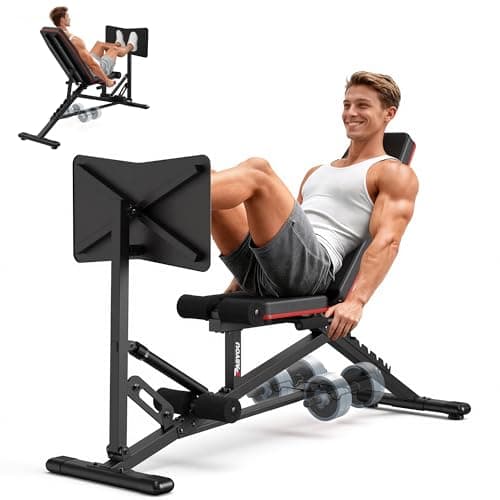
2 Best Leg Press Machines Home in 2026 — Top Picks for Serious Lower-Body Training
If you’re searching for the best leg press machines home , you probably want a setup that builds quads, glutes, hamstrings, and calves without wasting floor space. The challenge is finding a machine that feels stable, fits your home gym, and matches your budget without overbuying for features you wo