

Who this is for: Best for readers who want to understand safe headphone volume and choose comfortable, practical wired options.
Check PriceWhat is How Loud Is Too Loud Headphones? A Complete 2026 Guide
If you’ve ever finished a headphone session with ringing ears, muffled hearing, or a “that was probably too much” feeling, you’re asking the right question. The phrase how loud is too loud headphones is really about finding the point where enjoyable sound turns into a hearing-risk problem. This guide explains the safe listening basics, what affects risk, and how to choose headphones that help you listen smarter.
Related Reviews
In simple terms, headphones are “too loud” when the volume, combined with the time you listen, can damage your hearing. The risk is not just about one blast of sound; it’s also about repeated exposure at moderate-high levels. Knowing the warning signs and the safer volume ranges can help you protect your ears without giving up music, gaming, or podcasts.
How It Works
Headphones send sound directly into your ears, which is convenient but also makes it easier to listen at higher levels than you would with speakers. Because the drivers sit so close to your eardrums, even a small increase in volume can make a big difference in sound pressure. The louder the audio, the more stress it puts on the tiny hair cells in your inner ear that help you hear.
Hearing damage risk depends on two main factors: volume and duration. A sound that is only a little too loud for a short time may be less risky than a slightly lower volume played for hours. That’s why hearing-health guidance often talks about both decibel level and listening time instead of volume alone.
In practical terms, if you need to raise your voice to talk to someone nearby while wearing headphones, the volume may already be too high. If you can hear your audio clearly in a quiet room but it still feels “punchy” and comfortable, you’re closer to a safer range. The goal is to keep sound clear enough to enjoy, but not so intense that your ears get fatigued.
Key Benefits & Use Cases
Understanding safe headphone volume helps you do more than avoid hearing loss. It can also reduce ear fatigue, make long listening sessions more comfortable, and help you enjoy audio more consistently over time. For parents, students, gamers, commuters, and office workers, this knowledge is especially useful because headphone use often adds up quickly.
Common use cases where volume matters most
- Music listening: It’s easy to turn up bass-heavy tracks without noticing how loud they really are.
- Gaming: Explosions, effects, and voice chat can push volume higher than expected.
- Podcasts and calls: People often increase volume to hear speech clearly in noisy places.
- Commuting: Background noise on trains, buses, or planes can tempt you to overcompensate.
- Study and work: Long sessions make safe volume and comfort more important than ever.
For many people, the biggest benefit of learning safe listening habits is consistency: you can keep using headphones daily without paying for it later with ringing ears or reduced hearing sensitivity.
What to Look For When Buying
If you’re shopping with hearing safety in mind, the best headphones are not just the loudest or bassiest ones. You want a pair that stays comfortable, fits securely, and gives you clear sound at lower volumes so you don’t feel forced to crank it up. Here are five criteria that matter most.
1. Clear sound at moderate volume
Headphones that sound detailed at lower settings are easier on your ears. If vocals, footsteps, or instrument separation are clear without maxing out the volume, that’s a good sign.
2. Comfortable fit for long sessions
Comfort matters because discomfort can make people turn audio up just to “push through.” Look for ergonomic earbuds, soft ear pads, or lightweight designs that you can wear without fatigue.
3. Noise isolation or noise reduction
Better passive isolation helps block outside noise so you don’t need as much volume in the first place. This is especially useful for commuting, shared spaces, and exercise.
4. Compatibility with your device
Make sure the connection type works with your phone, console, laptop, or controller. A headphone that fits your setup is more likely to be used correctly and consistently.
5. Durable build and secure fit
If your headphones are for workouts, gaming, or daily carry, durability matters. A secure fit also reduces the urge to constantly adjust them, which can make listening more comfortable and controlled.
Top Recommended Products
Below are research-based picks from the provided list. These are not hands-on test results; they’re chosen from published specs, feature lists, and owner-facing product details, with an emphasis on comfort, clarity, and everyday usability.
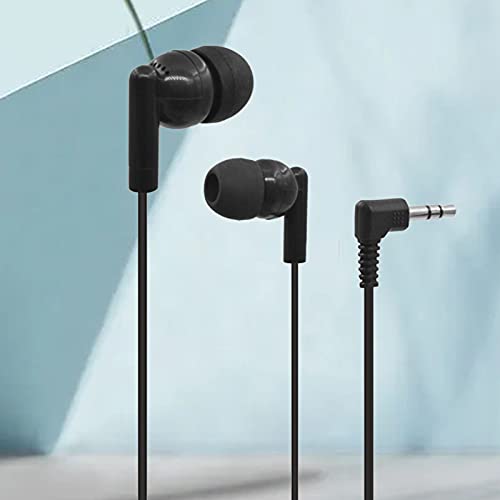 Shulemin Gaming Headset Wired Headphones Earbuds 102 Wired Earphone Clear Ergonomic PVC 3.5mm Moving Coil in-Ear Head Phones for Phone Fitness Sports Listening Music Black
✓ Prime
This wired in-ear option is aimed at people who want a simple, lightweight headset for gaming, sports, and general listening. The product details emphasize ergonomic comfort, broad 3.5mm compatibility, and a durable PVC build, which can make it appealing for everyday use.
- ✓ Ergonomic design intended for long-wear comfort
- ✓ Strong compatibility with 3.5mm audio devices
- ✓ Lightweight wired design for sports, home, and gaming
- ✓ Durable PVC material
- ✓ Compact and easy to carry
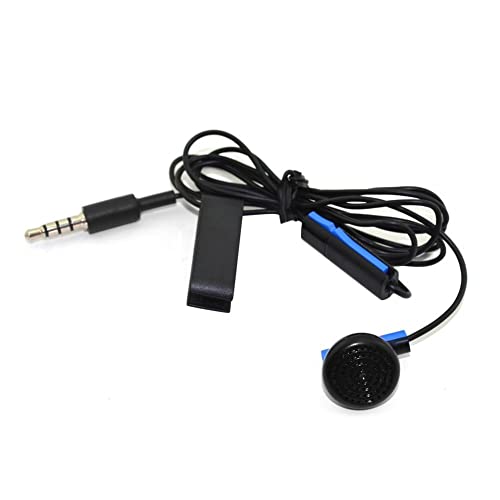
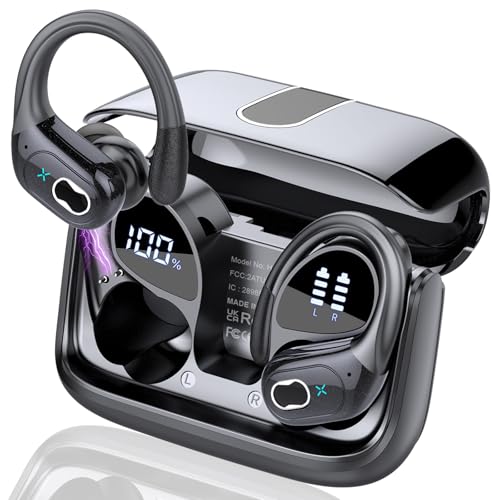 Tekmihat 3.5mm Jack Wired Gaming Earphone for PS4 Joystick Controller Headset with Microphone Sports Headphones
✓ Prime
This is a straightforward wired earbud-style headset built around PS4 compatibility and simple on/off control. For buyers who mainly want a no-frills gaming earphone for controller use, it offers a very direct feature set.
- ✓ Designed for PS4 support
- ✓ Simple wired earbud form factor
- ✓ On/off control for gaming convenience
- ✓ Lightweight and easy to store
- ✓ Good fit for controller-based setups
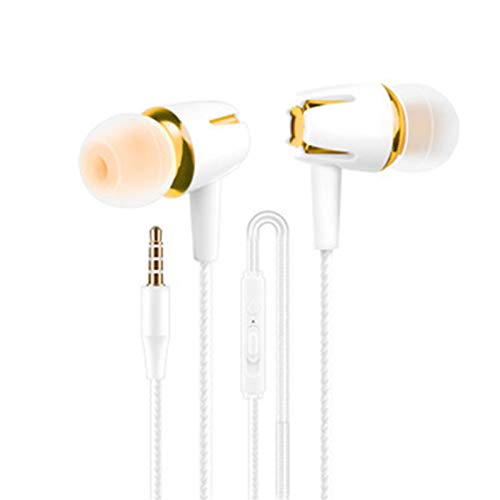 Heave Wired in Ear Headphones Earbuds,Powerful Heavy Bass Sound Wired Headset Gaming Earbuds Built in Noise Cancellation Mic for Running Workout Exercise Golden
✓ Prime
This model stands out for buyers who want bass-forward sound, workout-ready stability, and a budget-friendly price. Its feature list also highlights noise reduction, sweat resistance, and broad compatibility, making it a versatile everyday option.
- ✓ Heavy bass sound profile
- ✓ Noise reduction technology for clearer listening
- ✓ Anti-sweat protection for workouts
- ✓ Secure, comfortable curved design
- ✓ Very low price point
 LUYANhapy9 Gaming Wired Headset Headphone,Business Wired headsets Universal 3.5mm Plug Soft Earmuff Music HiFi Black One Size
✓ Prime
This over-ear wired headset is the most “headphone-like” pick in the group, with soft earmuffs and a focus on comfort for longer sessions. The published specs point to a wide frequency range and low-distortion sound, which may help listeners enjoy clarity without feeling the need to overdrive the volume.
- ✓ Soft ear pads for more comfortable long sessions
- ✓ Over-ear design can help with passive isolation
- ✓ Universal 3.5mm compatibility
- ✓ Hi-Fi sound quality with low distortion
- ✓ Lightweight, stylish all-black look
Common Mistakes to Avoid
Most headphone-related hearing mistakes are easy to make because they feel harmless in the moment. The good news is that a few simple habits can lower your risk a lot.
- Turning volume up to overcome background noise: This is one of the fastest ways to listen too loudly.
- Ignoring ringing after listening: Ear ringing or muffled hearing is a warning sign, not something to brush off.
- Using max volume for long periods: Even if it feels fine at first, duration can make the exposure unsafe.
- Choosing comfortless headphones: If a headset is irritating, people often compensate by increasing volume.
- Assuming “it sounds okay” means it’s safe: Hearing damage can happen before sound feels painfully loud.
A useful rule of thumb is this: if your headphones are loud enough that someone nearby can hear them clearly, or you can’t easily hear your surroundings, you may already be in a risky zone depending on volume and time.
Frequently Asked Questions
How loud is too loud headphones?
In general, headphones are too loud when you need to raise your voice to talk to someone nearby, or when listening leaves your ears ringing, fatigued, or muffled afterward. Risk depends on both volume and time, so even “moderately loud” listening can become too much if it goes on for long periods.
What volume is safe for headphones?
A common safe-listening guideline is to keep volume at a level where you can still hear your surroundings and have a normal conversation nearby. Lower is better, especially for long sessions, noisy environments, or daily use.
Can headphones damage hearing?
Yes. Headphones can damage hearing if they are played too loudly or used for too long, because the sound is delivered directly into the ear and can stress the inner ear over time.
How do I know if my headphones are too loud?
Warning signs include ringing in the ears, muffled hearing after listening, needing to turn volume up more and more, or not being able to hear someone speaking near you. If you notice these signs, reduce volume and take a listening break.
Are earbuds worse than over-ear headphones for hearing?
Not automatically, but earbuds can be riskier in noisy places because they sit inside the ear and people often raise the volume to overcome outside noise. Over-ear headphones with good isolation may let you listen more comfortably at lower levels.
Pros
- + Comfort-focused designs
- + Wide 3.5mm compatibility
- + Noise reduction or isolation features
- + Workout and daily-use options
- + Budget-friendly choices
Cons
- – No hands-on testing
- – Sound quality varies by model
- – Some designs are basic or niche
- – Limited advanced safety features
Frequently asked questions
- How loud is too loud headphones?
- Headphones are too loud when you need to raise your voice to talk nearby or when listening leaves ringing, fatigue, or muffled hearing afterward.
- What volume is safe for headphones?
- A safer level is one where you can still hear your surroundings and hold a normal conversation nearby, especially for long sessions.
- Can headphones damage hearing?
- Yes. Loud volume and long listening sessions can stress the inner ear and contribute to hearing damage over time.
- How do I know if my headphones are too loud?
- Ringing ears, muffled hearing, and needing to keep turning the volume up are common warning signs.
- Are earbuds worse than over-ear headphones for hearing?
- Not always, but earbuds can encourage louder listening in noisy places; over-ear headphones with better isolation may be easier to listen to at lower volume.
Get the Full Tech Buyer's Guide
Join our free newsletter — we'll send our latest Tech picks, specs and verdicts straight to your inbox.
Free. No spam. Unsubscribe anytime.
Was this review helpful?
Be the first to share your feedback on this review.
Sign in to vote and let us know what you think.
Discussion (0)
No comments yet. Be the first to start the discussion.
Related Reviews
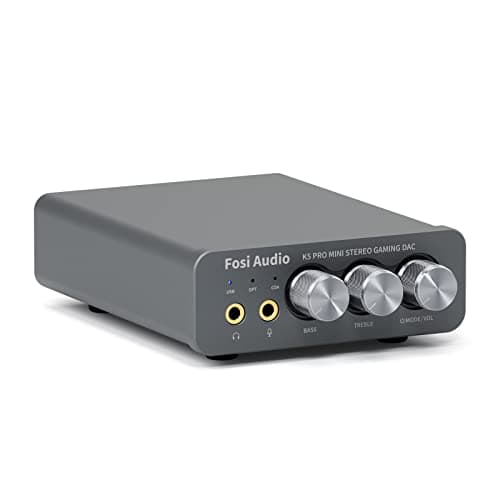
7 Best DACs for Headphones in 2026 — Cleaner Sound, Better Power, and Easier Desktop Listening
If your headphones sound flat, quiet, or harsh from a laptop, controller, or motherboard jack, a good DAC can make a huge difference. The best DACs for headphones don’t just improve clarity — they also give you better volume control, stronger amplification, and the right inputs for PC, console, or m
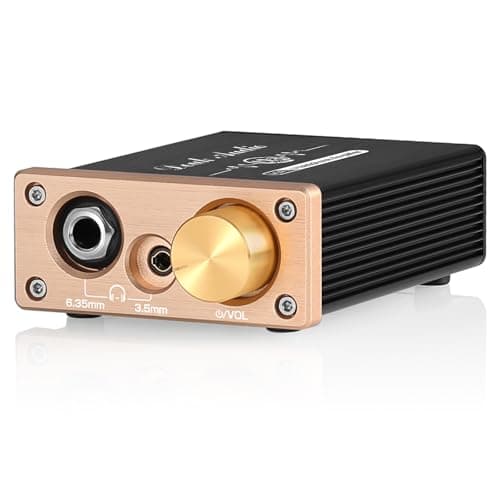
8 Best Headphone Amps in 2026 — Cleaner Sound, More Power, and Better Desktop Audio
If your headphones sound thin, quiet, or underpowered from a phone, laptop, or console, a good headphone amp can make an immediate difference. The best headphone amps 2026 picks below were chosen for their power, connectivity, portability, and real-world owner feedback across audiophile, gaming, des
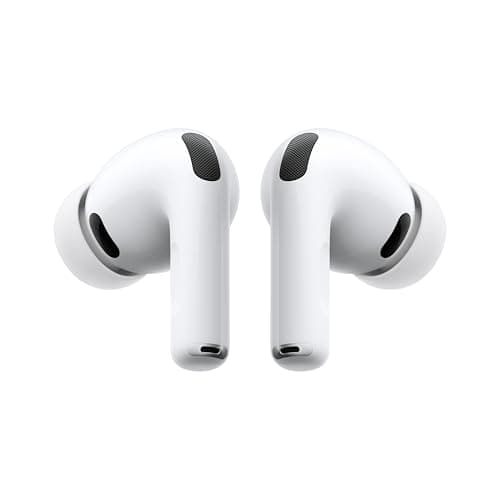
What is Bluetooth 5.3 vs 5.4 explained? A Complete 2026 Guide
If you’re trying to understand Bluetooth 5.3 vs 5.4 explained , the confusing part is that both versions sound similar but can affect battery life, connection stability, and feature support in different ways. The good news is that the differences are easier to understand once you know what Bluetooth