

What is HEPA vs True HEPA? A Complete 2026 Guide
If you’re comparing HEPA vs True HEPA, the biggest challenge is that the labels sound similar but are not always used the same way. That can make it hard to tell whether an air purifier is genuinely built to capture tiny particles like pollen, smoke, and pet dander. In this guide, you’ll learn what the terms mean, how the filters work, what matters when buying, and which researched products are worth a closer look.
Related Reviews
How It Works
HEPA stands for High-Efficiency Particulate Air, but in consumer marketing the term can be used loosely unless the product clearly states a verified filtration standard. In general, a HEPA-style filter works by pushing air through a dense fiber matrix that traps particles through a mix of interception, impaction, and diffusion, rather than simply “sieving” dust like a screen.
True HEPA usually refers to a filter that is independently rated to capture at least 99.97% of particles as small as 0.3 microns. That 0.3-micron benchmark matters because it represents a difficult particle size to capture, and filters that meet it are typically more trustworthy for allergy, smoke, and fine dust concerns.
In plain English: both terms may sound close, but “True HEPA” is generally the more specific and more reliable claim. A product labeled only “HEPA” may still perform well, but the buyer should look for clear performance details, test standards, and filtration stages rather than relying on the label alone.
Key Benefits & Use Cases
Understanding HEPA vs True HEPA is useful because the right filter can make a real difference in everyday indoor air quality. Here are the most common benefits and use cases:
- Allergy relief: Helps capture pollen, dust, and pet dander that can trigger symptoms.
- Smoke and odor reduction: Works best when paired with activated carbon for odors and volatile compounds.
- Cleaner bedrooms: Useful for people who want quieter overnight air cleaning.
- Pet homes: Can reduce airborne fur, dander, and litter-box-related particles.
- Small apartments and offices: Portable models can improve air in compact spaces without taking up much room.
For buyers, the main decision is not just whether a unit says HEPA, but whether it matches your room size, noise tolerance, and filtration needs. A well-sized purifier with verified True HEPA-style filtration is usually a better value than a larger-looking model with vague claims.
What to Look For When Buying
When comparing air purifiers in the HEPA vs True HEPA category, use these five criteria to narrow your options:
1. Verified filtration claim
Look for clear wording such as “True HEPA” or a stated particle-capture standard. The more specific the claim, the easier it is to compare models fairly.
2. Room coverage
Check the maximum square footage and, more importantly, the recommended coverage for real-world cleaning speed. A purifier that is “rated” for a large room may still work slowly if it is undersized for your space.
3. Noise level
If you plan to use the purifier in a bedroom, nursery, or office, low-decibel sleep mode matters. Quiet operation is often one of the biggest reasons people stick with a purifier long term.
4. Filter stages and maintenance
A good unit often combines a pre-filter, HEPA/True HEPA filter, and activated carbon layer. Also check how often filters need replacement and whether replacements are easy to find.
5. Controls and convenience
Timers, fan speeds, night lights, child locks, and portable designs all affect daily usability. The best purifier is the one you’ll actually keep running consistently.
Top Recommended Products
Below are two researched options that align with buyers searching for the difference between HEPA and True HEPA. These are not hands-on test results; they are based on published specs, feature lists, and owner feedback patterns.
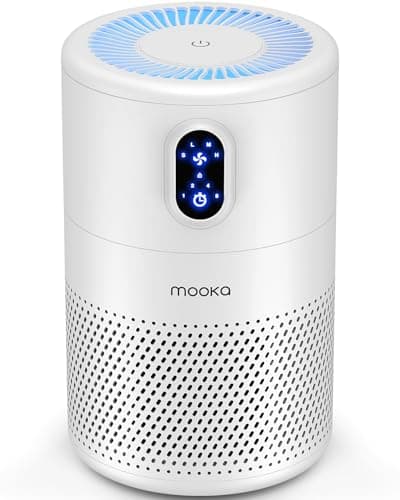
MOOKA Air Purifiers for Home Large Room up to 1076ft², H13 True HEPA Air Filter Cleaner, Odor Eliminator, Remove Smoke Dust Pollen Pet Dander, Night Light, B-D02L White $49.99 37% OFF — Was $79.95 ✓ Prime
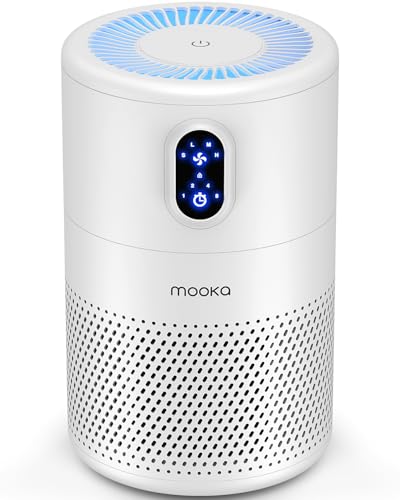


This MOOKA model stands out for shoppers who want a budget-friendly purifier with a clearly stated H13 True HEPA filter and room coverage that reaches up to 1076 ft². Its published feature set also includes a pre-filter, activated carbon layer, quiet operation, timer settings, fan modes, and a night light, making it a practical pick for bedrooms, living rooms, and pet-friendly homes.
- ✓ H13 True HEPA filtration is clearly stated for fine particle capture
- ✓ Covers up to 1076 ft², which is strong for the price
- ✓ Quiet 20 dB operation is appealing for sleep and study
- ✓ Includes timer settings, fan modes, child lock, and night light
- ✓ Activated carbon layer helps with smoke and odor concerns
- ✗ Replacement filters must be kept up with for best performance
- ✗ Large-room coverage may be slower at the maximum area rating
- ✗ The night light may not appeal to buyers who want a completely dark room
TDBYWAE Air Purifier for Home – True HEPA Filter for Pets, Smoke & Allergies | 600 Sq Ft Coverage | Ultra-Quiet & Portable for Bedroom/Travel $39.89 20% OFF — Was $49.56 ✓ Prime
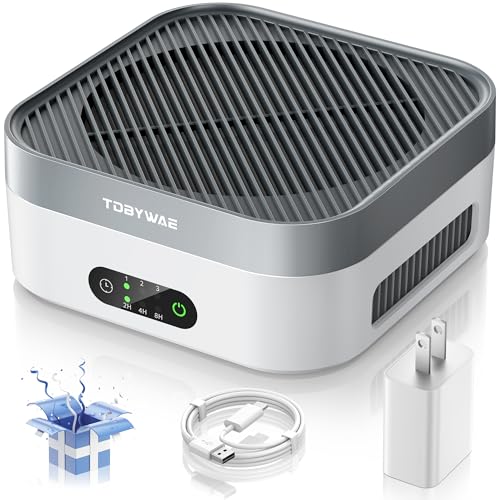


The TDBYWAE purifier is a compact option for buyers who want a more portable unit with a stated true HEPA filter and a lower entry price. Its feature list emphasizes a 3-stage filtration system, sleep-friendly noise levels, Type-C charging, and a square, travel-friendly design that can fit on a desk, nightstand, or in a bag.
- ✓ True HEPA filter is explicitly listed for buyer confidence
- ✓ Compact and portable design suits bedrooms, offices, and travel
- ✓ Sleep mode is rated at a very low 16 dB
- ✓ Type-C charging adds convenience and flexibility
- ✓ Three-stage filtration includes pre-filter and activated carbon
- ✗ Smaller coverage than larger-room purifiers
- ✗ Best for compact spaces rather than open-plan rooms
- ✗ Fewer premium features than bigger, more expensive models
Common Mistakes to Avoid
Shoppers often make the same mistakes when comparing HEPA vs True HEPA. Avoid these issues to get better performance and fewer regrets:
- Assuming all HEPA labels mean the same thing: Some products use broad marketing language, so always check for specific filtration claims.
- Ignoring room size: A purifier that is too small for your room may run constantly without making much noticeable difference.
- Overlooking filter replacement costs: A cheap unit can become expensive if replacement filters are hard to find or need frequent changes.
- Buying for features instead of fit: Fancy modes are less important than airflow, noise, and coverage.
- Expecting one filter to solve every problem: HEPA helps with particles, but odors and gases usually require activated carbon or other specialized media.
Frequently Asked Questions
Is HEPA the same as True HEPA?
Not always. “True HEPA” is generally a more specific claim and usually refers to a filter that captures at least 99.97% of particles down to 0.3 microns, while “HEPA” can sometimes be used more loosely in marketing.
Which is better: HEPA or True HEPA?
In most cases, True HEPA is the safer choice because the claim is more specific and easier to verify. If a product only says HEPA, look for test data or standards before assuming it performs the same way.
Does a True HEPA filter remove smoke?
It can help with smoke particles, but odor control usually depends on an activated carbon layer as well. For wildfire smoke or strong smells, a multi-stage purifier is usually more effective than HEPA alone.
How often should I replace a HEPA filter?
Replacement timing depends on usage, air quality, and the manufacturer’s guidance. Many home purifiers need filter changes every 3 to 6 months, but heavily used units may need them sooner.
What size air purifier do I need for my room?
Choose a purifier rated for at least your room’s square footage, and ideally a bit above it if you want faster cleaning. For bedrooms and small offices, a compact unit can be enough; for larger living areas, look for higher coverage ratings.
Pros
- + True HEPA is more specific and easier to verify
- + Multi-stage filtration helps with dust, pollen, smoke, and odors
- + Budget-friendly options are available for small and large rooms
- + Portable models suit bedrooms, desks, and travel
- + Quiet sleep modes improve everyday usability
Cons
- – HEPA labeling can be vague on some products
- – Filter replacements add ongoing cost
- – Small units may struggle in large open rooms
Frequently asked questions
- Is HEPA the same as True HEPA?
- Not always. True HEPA is generally a more specific claim and usually refers to a filter that captures at least 99.97% of particles down to 0.3 microns, while HEPA can sometimes be used more loosely in marketing.
- Which is better: HEPA or True HEPA?
- In most cases, True HEPA is the safer choice because the claim is more specific and easier to verify. If a product only says HEPA, look for test data or standards before assuming it performs the same way.
- Does a True HEPA filter remove smoke?
- It can help with smoke particles, but odor control usually depends on an activated carbon layer as well. For wildfire smoke or strong smells, a multi-stage purifier is usually more effective than HEPA alone.
- How often should I replace a HEPA filter?
- Replacement timing depends on usage, air quality, and the manufacturer’s guidance. Many home purifiers need filter changes every 3 to 6 months, but heavily used units may need them sooner.
- What size air purifier do I need for my room?
- Choose a purifier rated for at least your room’s square footage, and ideally a bit above it if you want faster cleaning. For bedrooms and small offices, a compact unit can be enough; for larger living areas, look for higher coverage ratings.
Get the Full Home Buyer's Guide
Join our free newsletter — we'll send our latest Home picks, specs and verdicts straight to your inbox.
Free. No spam. Unsubscribe anytime.
Was this review helpful?
Be the first to share your feedback on this review.
Sign in to vote and let us know what you think.
Discussion (0)
No comments yet. Be the first to start the discussion.
Related Reviews
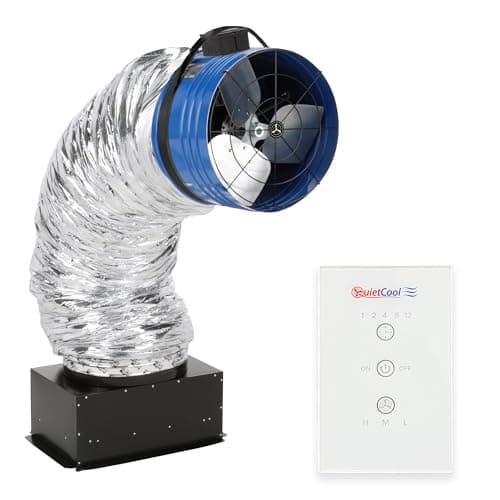
8 Best Whole House Fans in 2026 — Cooler Homes, Lower Energy Bills
If your upstairs feels stuffy at night, your AC runs nonstop, or you want a cheaper way to cool the house, the best whole house fans can make a big difference. This roundup focuses on models that combine strong airflow, practical controls, and energy-saving designs for different home sizes. We compa
8 Best Dehumidifier with Pump in 2026 — Continuous Drainage for Basements, Bedrooms, and Large Spaces
If you’re tired of emptying a water bucket every day, the best dehumidifier with pump can solve that problem with true continuous drainage. This roundup focuses on models that combine pump-assisted water removal, strong moisture capacity, and reliable humidity control for basements, bedrooms, garage
8 Best Dehumidifiers for Bathrooms in 2026 — Quiet, Compact Picks That Help Tame Steam Fast
If your bathroom stays damp after every shower, you’re probably dealing with foggy mirrors, musty odors, and the kind of lingering moisture that can encourage mildew. The best dehumidifiers for bathrooms are compact, quiet, and designed to handle enclosed spaces without becoming a nuisance. In this