


Who this is for: Best for music producers who need a laptop for recording, beat making, and editing with the right mix of power and portability.
If your DAW starts lagging the moment you stack virtual instruments, you need a laptop built for real music production—not just everyday browsing. The best laptops for music production 2026 should balance fast CPU performance, enough RAM for large sessions, quick SSD storage, and the right ports for your audio interface and peripherals. This research-based roundup compares specs, published product details, and owner feedback patterns to help you narrow down the best fit for recording, beat making, mixing, and mobile production.
Related Reviews
Because music production can mean anything from bedroom beat-making to full multitrack editing, I included a range of options for different budgets and workflows. You’ll find portable picks, larger-screen machines, and creator-focused laptops that make sense for producers who want fewer bottlenecks and more creative headroom. Every model below comes from the provided product list only.
Quick Picks
| Rank | Product | Best For |
|---|---|---|
| 1 | Apple 2026 MacBook Neo 13-inch Laptop | Portable music production with strong battery life |
| 2 | NIMO 15.6" FHD AI-Creator-Laptop | Heavy projects, plugins, and creator workloads |
| 3 | Lenovo V15 Laptop | Reliable Windows workflow with strong connectivity |
| 4 | HP OmniBook 3 17.3 inch Laptop PC | Large-screen editing and long sessions |
| 5 | NIMO 15.6" FHD R5 AI Student Laptop | Budget-friendly entry into music production |
| 6 | Tylvx Laptop Computer,2026 15.6 Inch Lap Top | Value buyers who want 16GB RAM and 512GB SSD |
| 7 | Apple MacBook Pro Late 2019 with 2.6GHz Intel Core i7 | Renewed Mac option for creative workflows |
| 8 | 18.5 Inch Laptops, Core i9 CPU | Desktop-like screen space for studio-style use |
1. Apple 2026 MacBook Neo 13-inch Laptop — Best Portable Music Production Laptop


Verdict: Best for producers who want a lightweight laptop with strong battery life and a polished macOS workflow for recording, composing, and arranging on the go.
- ✓ A18 Pro chip is positioned for responsive everyday performance and creative tasks.
- ✓ Up to 16 hours of battery life supports long sessions away from a desk.
- ✓ Liquid Retina display with 1 billion colors is helpful for clear session viewing and media work.
- ✓ Durable aluminum design makes it appealing for mobile producers and students.
- ✗ 8GB unified memory may feel tight for larger sample libraries and heavier plugin chains.
- ✗ 256GB SSD storage is limited if you keep many projects, stems, and sample packs locally.
- ✗ Best suited to users who are comfortable with Apple’s software ecosystem.
2. NIMO 15.6" FHD AI-Creator-Laptop — Best for Heavy Projects and Plugins


Verdict: This is the strongest creator-style Windows pick in the list for producers who want extra multitasking headroom for DAWs, instruments, and editing tools.
- ✓ AMD Ryzen 7 8745HS with 8 cores is well suited to demanding creative workloads.
- ✓ 32GB DDR5 RAM is a major advantage for large sessions and multiple plugins.
- ✓ 1TB SSD gives you room for projects, sample libraries, and exported audio.
- ✓ Radeon 780M graphics and 100W fast PD support add versatility for creator use.
- ✗ The product details emphasize creator and editing use more than audio-specific tuning.
- ✗ It may be more laptop than a casual beat-maker needs.
- ✗ The premium positioning makes it less attractive if you only need basic DAW work.
3. Lenovo V15 Laptop — Best Windows Workhorse for Studio Basics

Verdict: A practical mid-range Windows laptop for producers who want solid RAM, a capable CPU, and useful connectivity for interfaces and accessories.
- ✓ Ryzen 5 5500U offers 6 cores and 12 threads for multitasking in DAWs.
- ✓ 16GB RAM and 512GB SSD are a strong baseline for music production.
- ✓ Includes USB-C, HDMI, RJ45, and headphone/mic combo for flexible setups.
- ✓ Windows 11 Pro can appeal to users who want a more business-ready environment.
- ✗ The display is practical, but not as creator-focused as higher-end panels.
- ✗ It is better for efficient studio use than for premium portable design.
- ✗ Not as future-proof as 32GB RAM options for huge sessions.
4. HP OmniBook 3 17.3 inch Laptop PC — Best Large-Screen Option
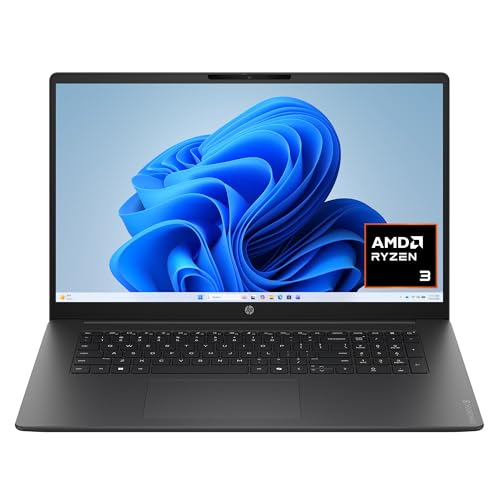
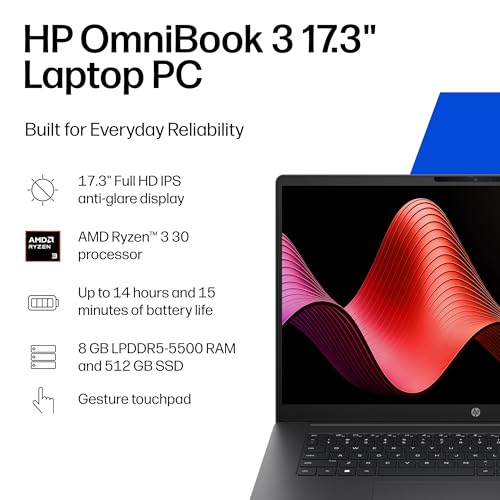
Verdict: Best for producers who prioritize a bigger workspace for arranging tracks, editing waveforms, and keeping more of the timeline visible.
- ✓ 17.3-inch Full HD IPS display gives you a roomy production canvas.
- ✓ 8GB LPDDR5 RAM and 512GB SSD support basic to moderate music workflows.
- ✓ AMD Ryzen 3 processor is positioned for everyday performance.
- ✓ Long battery-life claims make it appealing for mobile sessions and classes.
- ✗ 8GB RAM is the main limitation for heavy sample libraries and larger projects.
- ✗ Less ideal than the faster Ryzen 7 and Core i9 options for demanding sessions.
- ✗ The larger chassis is not the most travel-friendly choice.
5. NIMO 15.6" FHD R5 AI Student Laptop — Best Budget Music Production Starter


Verdict: The best low-cost starting point here for beginners who want to learn DAWs, make beats, and handle lighter project loads.
- ✓ Ryzen 5 with 4 cores and 8 threads is a better foundation than entry-level Celerons.
- ✓ 8GB RAM and 256GB SSD can handle simple projects and everyday use.
- ✓ Expandable storage up to 4TB gives it room to grow with your library.
- ✓ Fingerprint reader and backlit keyboard are useful quality-of-life extras.
- ✗ 8GB RAM is limiting for larger sample libraries and more advanced arrangements.
- ✗ 256GB SSD fills quickly once you start saving audio projects and sample packs.
- ✗ Best for beginners, not for power users running many virtual instruments.
6. Tylvx Laptop Computer,2026 15.6 Inch Lap Top — Best Value for Everyday Production Tasks


Verdict: A solid budget-friendly option for producers who want 16GB RAM, a 512GB SSD, and a full HD IPS display without moving up to a premium tier.
- ✓ 16GB RAM is a meaningful step up for multitasking and DAW stability.
- ✓ 512GB SSD offers a more comfortable starting point for projects and media.
- ✓ Full HD IPS display improves readability and workspace clarity.
- ✓ Broad connectivity includes HDMI, USB 3.0, Type-C data, and microSD support.
- ✗ Intel 8100Y is not as strong on paper as the faster creator-focused chips in this roundup.
- ✗ M.2 SATA SSD is less performance-oriented than some NVMe-based competitors.
- ✗ Better for lighter production than for dense orchestral or plugin-heavy sessions.
7. Apple MacBook Pro Late 2019 with 2.6GHz Intel Core i7 — Best Renewed Mac for Creators


Verdict: A renewed MacBook Pro option for producers who want a larger Retina display and a familiar Apple creative workflow.
- ✓ 16-inch Retina display is useful for timeline visibility and detailed editing.
- ✓ 16GB RAM and 512GB SSD remain practical for many music workloads.
- ✓ Dedicated AMD Radeon Pro 5300M graphics can help with broader creative use.
- ✓ macOS compatibility is a plus for users already invested in Apple software.
- ✗ It is an older model, so buyers should weigh longevity carefully.
- ✗ Renewed status may matter more to some buyers than a brand-new machine.
- ✗ The older Intel platform is less forward-looking than newer Apple silicon options.
8. 18.5 Inch Laptops, Core i9 CPU — Best Desktop-Like Studio Screen


Verdict: Best for users who want a huge display and desktop-style comfort for long arranging, mixing, and file-management sessions.
- ✓ Core i9-9880H is the most powerful CPU claim in this roundup.
- ✓ 18.5-inch 1080p display creates a spacious studio-style workspace.
- ✓ Full-size keyboard, numeric pad, and fingerprint login add convenience.
- ✓ Wi-Fi 6 and a large battery support more flexible everyday use.
- ✗ The oversized chassis is less portable than the smaller laptops here.
- ✗ The large screen may be excessive if you mainly produce on the move.
- ✗ It is more of a desktop replacement than a compact music-making laptop.
How We Chose These Products
This roundup was built from published specifications, feature lists, and patterns in owner feedback rather than hands-on testing. For music production, the most important factors are CPU capability, RAM capacity, SSD speed and size, display usability, battery life, and connectivity for audio interfaces, controllers, and external drives. I also considered how well each laptop fits different production styles, from lightweight beat-making to heavier multitrack projects.
Here’s what mattered most in the selection process:
- Processor strength: More cores and stronger modern chips generally help with plugin-heavy sessions and faster rendering.
- Memory: 16GB is a practical baseline, while 32GB is better for larger sample libraries and more ambitious projects.
- Storage: SSD capacity matters because audio files, stems, and virtual instruments consume space quickly.
- Display quality and size: A clearer panel and more screen space can make editing and arranging easier.
- Connectivity: USB, USB-C, HDMI, and audio-related ports help with studio gear and external monitors.
- Value by use case: I matched each laptop to the type of producer most likely to benefit from it.
If you want the safest all-around choice for music production, the best picks here are the ones that combine enough RAM with a capable processor and storage that won’t feel cramped after a few projects. If you’re mostly recording vocals, making beats, or arranging lighter sessions, several of the mid-range and budget options can absolutely get the job done.
Frequently Asked Questions
1. How much RAM do I need for music production?
For basic music production, 16GB is a strong starting point. If you use large sample libraries, many virtual instruments, or heavy plugin chains, 32GB is a better long-term choice.
2. Is a Mac or Windows laptop better for music production?
Both can work well. Macs are often favored for a streamlined creative workflow, while Windows laptops can offer more hardware variety and better value depending on your budget and software needs.
3. Do I need a dedicated graphics card for music production?
Usually no. Music production depends more on CPU, RAM, and storage than on graphics performance. A dedicated GPU is more of a bonus for broader creative work than a necessity for DAWs.
4. Is 512GB enough for music production?
It can be enough for lighter workflows, but larger sample libraries and multi-project setups can fill it quickly. Producers who store lots of audio locally often benefit from 1TB or expandable storage.
5. What is the best laptop in this list for beginners?
The NIMO 15.6" FHD R5 AI Student Laptop is the best beginner-friendly budget pick because it offers a reasonable starting point for DAWs, 8GB RAM, and upgrade potential.
Pros
- + Strong CPU and RAM options for DAWs
- + Portable and large-screen choices included
- + Good storage and connectivity across picks
- + Budget, mid-range, and premium tiers covered
Cons
- – Some budget models have only 8GB RAM
- – A few storage options may feel limited for large libraries
- – Not every pick is equally portable
- – Renewed and older models may have longevity tradeoffs
Frequently asked questions
- How much RAM do I need for music production?
- For basic music production, 16GB is a strong starting point. If you use large sample libraries, many virtual instruments, or heavy plugin chains, 32GB is a better long-term choice.
- Is a Mac or Windows laptop better for music production?
- Both can work well. Macs are often favored for a streamlined creative workflow, while Windows laptops can offer more hardware variety and better value depending on your budget and software needs.
- Do I need a dedicated graphics card for music production?
- Usually no. Music production depends more on CPU, RAM, and storage than on graphics performance. A dedicated GPU is more of a bonus for broader creative work than a necessity for DAWs.
- Is 512GB enough for music production?
- It can be enough for lighter workflows, but larger sample libraries and multi-project setups can fill it quickly. Producers who store lots of audio locally often benefit from 1TB or expandable storage.
- What is the best laptop in this list for beginners?
- The NIMO 15.6" FHD R5 AI Student Laptop is the best beginner-friendly budget pick because it offers a reasonable starting point for DAWs, 8GB RAM, and upgrade potential.
Get the Full Tech Buyer's Guide
Join our free newsletter — we'll send our latest Tech picks, specs and verdicts straight to your inbox.
Free. No spam. Unsubscribe anytime.
Was this review helpful?
Be the first to share your feedback on this review.
Sign in to vote and let us know what you think.
Discussion (0)
No comments yet. Be the first to start the discussion.
Related Reviews

Dell XPS 13 vs MacBook Neo (2026): Which Should You Actually Buy?
The Dell XPS 13 2026 Ultra-Light Laptop takes this category because it is explicitly built as a thin, portable machine at about 2.2 pounds and only 0.5 inches thick. It also pairs that compact footprint with a premium 13.4-inch InfinityEdge-style touchscreen, which makes it feel more modern and flex

8 Best Laptops for Medical Students in 2026 — Lightweight, Study-Ready Picks for Long Lectures and Clinical Days
If you’re searching for the best laptops for medical students, you probably need a machine that can handle lecture notes, anatomy slides, video calls, and long study sessions without becoming a burden to carry. The right laptop for med school should feel portable, reliable, and easy to use for readi

8 Best Laptops for CAD and Engineering in 2026 — Portable Power for Design, Simulation, and Multitasking
If you need the best laptops for CAD and engineering, the wrong machine can slow down modeling, frustrate rendering, and make multitasking feel painful. This roundup focuses on laptops with strong processors, enough memory for large projects, fast SSDs, and displays that help with detailed technical