


Who this is for: Best for Sony mirrorless buyers who want the right lens for everyday shooting, travel, telephoto reach, or creative film-style photos.
If you’re searching for the best camera lenses for Sony 2026, you probably want one of three things: sharper everyday photos, more reach for wildlife or sports, or a lens that makes your Sony setup easier to carry. This roundup focuses on lenses that stand out for real-world value, portability, image quality, and compatibility across Sony E-mount bodies. These picks are based on published specs, owner feedback, and comparisons—not hands-on testing.
Related Reviews
- 5 Best Camera Stabilizers for Smartphones and Action Cameras in 2026 — Smoother Vlogs, Better Tracking, and Easier Handheld Shots
- Fujifilm X-S20 vs Canon EOS R50 (2026): Which Should You Actually Buy?
- 1 Best Aerial Mapping Drones with RTK for Surveying in 2026 — Centimeter-Level Accuracy for Demanding Jobs
Whether you shoot with a full-frame Alpha body or an APS-C Sony mirrorless camera, the right lens can completely change how useful your kit feels. The four options below cover the most common buyer needs, from budget-friendly creativity to all-in-one convenience and telephoto reach. If you want to buy smarter in 2026, start here.
Quick Picks
| Rank | Product | Best For |
|---|---|---|
| 1 | Tamron 17-70mm f/2.8 Di III-A VC RXD Lens for Sony E APS-C Mirrorless Cameras Black | Best all-around APS-C zoom |
| 2 | Tamron 28-200 F/2.8-5.6 Di III RXD All-in-One Lens for Sony Mirrorless Full Frame/APS-C E-Mount | Best travel one-lens solution |
| 3 | Tamron 70-300mm F/4.5-6.3 Di III RXD for Sony Mirrorless Full Frame/APS-C E-Mount | Best budget telephoto reach |
| 4 | Original Retropia Repurposed Disposable Camera Mirrorless Lens | Best creative film-look lens |
1. Tamron 17-70mm f/2.8 Di III-A VC RXD Lens for Sony E APS-C Mirrorless Cameras Black — Best All-Around APS-C Zoom


Verdict: This is the most balanced Sony APS-C lens here, combining a useful 17-70mm range, a bright f/2.8 aperture, and stabilization that makes it a strong everyday choice for photos and video.
Pros
- Constant f/2.8 aperture gives you better low-light flexibility and more consistent background blur.
- 17-70mm range is ideal for travel, portraits, street, and general family shooting.
- VC stabilization is a major plus for handheld shooting, especially for video on Sony APS-C bodies.
- Close focusing ability adds extra versatility for detail shots and casual close-ups.
Cons
- It is APS-C only, so full-frame Sony users should skip it.
- It is more expensive than basic kit zooms.
- Some buyers may prefer a lighter lens if portability is the top priority.
2. Tamron 28-200 F/2.8-5.6 Di III RXD All-in-One Lens for Sony Mirrorless Full Frame/APS-C E-Mount — Best Travel One-Lens Solution


Verdict: If you want one lens to cover a huge range without swapping glass, this is the most practical full-frame Sony option in the group.
Pros
- Massive 28-200mm range makes it a true do-everything travel lens.
- Lightweight and compact for a lens with this much zoom versatility.
- Quiet RXD motor is a strong fit for video and discreet shooting.
- Moisture-resistant construction and fluorine coating add confidence for real-world use.
Cons
- Variable aperture means it is not as bright as a constant f/2.8 zoom.
- It is a pricier investment than the budget options here.
- 28mm on the wide end may feel limiting for some landscape or indoor shooters.
3. Tamron 70-300mm F/4.5-6.3 Di III RXD for Sony Mirrorless Full Frame/APS-C E-Mount — Best Budget Telephoto Reach

Verdict: For Sony shooters who need real telephoto reach without spending a fortune, this is the most straightforward value pick.
Pros
- 70-300mm range is excellent for wildlife, sports, outdoor portraits, and distant subjects.
- Lightweight portability makes telephoto shooting less intimidating and easier to carry.
- Moisture-resistant construction improves confidence for outdoor use.
- Strong image quality for the price, based on the lens design and owner feedback.
Cons
- Variable aperture is fairly slow at the long end.
- Not the best choice for dim indoor shooting.
- It is less versatile than an all-in-one zoom for everyday walkaround use.
4. Original Retropia Repurposed Disposable Camera Mirrorless Lens — Best Creative Film-Look Lens
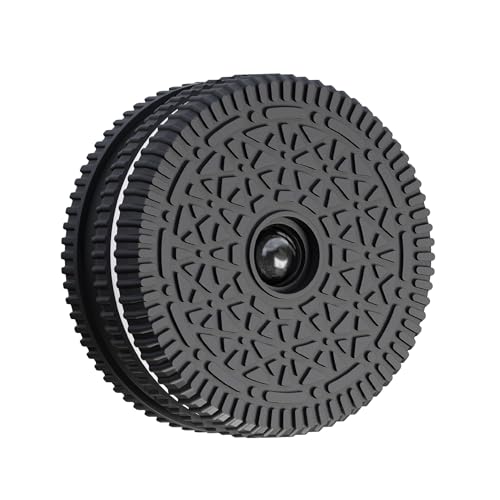

Verdict: This is the fun pick for creators who want a retro, disposable-camera style without editing every image afterward.
Pros
- Delivers a distinctive film-like look with soft blur and nostalgic character.
- Extremely affordable, making it an easy creative add-on.
- Pocketable and lightweight for casual carry.
- Works with a wide range of Sony E-mount mirrorless bodies.
Cons
- Fixed f/11 aperture limits low-light performance.
- Not intended for users who want maximum sharpness or technical flexibility.
- More of a creative effect lens than a primary everyday lens.
How We Chose These Products
These lenses were selected for Sony buyers who want the strongest mix of usefulness, value, and real-world appeal in 2026. We compared published specifications, mount compatibility, feature sets, price positioning, and owner feedback patterns to identify lenses that solve different buying needs.
Our main criteria
- Compatibility: We included Sony E-mount lenses that fit either full-frame or APS-C mirrorless bodies, depending on the use case.
- Optical versatility: Zoom range, aperture, and close-focusing ability mattered because they affect how often a lens gets used.
- Portability: Weight and size were important for travel, street, and everyday carry.
- Buyer feedback: We favored lenses with consistently strong owner impressions around image quality, handling, and value.
- Value for the price: Each pick had to justify its cost through features, flexibility, or a clearly unique result.
Why these four made the cut
The Tamron 17-70mm f/2.8 is the strongest all-around APS-C option, the 28-200mm is the best one-lens travel solution, the 70-300mm is the best affordable telephoto, and the Retropia lens stands out for creators who want a distinct film look. Together, they cover the most common Sony lens-buying priorities without repeating the same job.
Frequently Asked Questions
1. What are the best camera lenses for Sony in 2026?
The best camera lenses for Sony 2026 in this roundup are the Tamron 17-70mm f/2.8 for APS-C, the Tamron 28-200mm for travel, the Tamron 70-300mm for telephoto reach, and the Retropia lens for creative film-style photos.
2. Which Sony lens is best for everyday use?
The Tamron 17-70mm f/2.8 is the best everyday-use choice here for Sony APS-C shooters because it combines a useful zoom range, a bright aperture, and stabilization.
3. What is the best Sony lens for travel?
The Tamron 28-200mm is the best travel lens in this list because it covers a huge focal range in one compact, lightweight package.
4. Which Sony lens is best for wildlife or sports on a budget?
The Tamron 70-300mm is the best budget-friendly option for distant subjects, giving you strong telephoto reach without the cost of a pro-level zoom.
5. Is the Retropia lens good for serious photography?
It can be useful for creative projects, but it is better viewed as a specialty lens for film-style looks rather than a primary all-purpose lens.
Pros
- + Strong APS-C all-around zoom option
- + Excellent travel-friendly all-in-one range
- + Affordable telephoto reach
- + Unique retro film-look creative lens
Cons
- – Some picks are APS-C only
- – Variable apertures limit low-light performance
- – Creative lens is not a general-purpose option
Frequently asked questions
- What are the best camera lenses for Sony in 2026?
- The best camera lenses for Sony 2026 in this roundup are the Tamron 17-70mm f/2.8 for APS-C, the Tamron 28-200mm for travel, the Tamron 70-300mm for telephoto reach, and the Retropia lens for creative film-style photos.
- Which Sony lens is best for everyday use?
- The Tamron 17-70mm f/2.8 is the best everyday-use choice here for Sony APS-C shooters because it combines a useful zoom range, a bright aperture, and stabilization.
- What is the best Sony lens for travel?
- The Tamron 28-200mm is the best travel lens in this list because it covers a huge focal range in one compact, lightweight package.
- Which Sony lens is best for wildlife or sports on a budget?
- The Tamron 70-300mm is the best budget-friendly option for distant subjects, giving you strong telephoto reach without the cost of a pro-level zoom.
- Is the Retropia lens good for serious photography?
- It can be useful for creative projects, but it is better viewed as a specialty lens for film-style looks rather than a primary all-purpose lens.
Score breakdown
- value
- 8.6
- usability
- 8.3
- durability
- 8.1
- performance
- 8.4
- buyerFeedback
- 8.2
Get the Full Tech Buyer's Guide
Join our free newsletter — we'll send our latest Tech picks, specs and verdicts straight to your inbox.
Free. No spam. Unsubscribe anytime.
Was this review helpful?
Be the first to share your feedback on this review.
Sign in to vote and let us know what you think.
Discussion (0)
No comments yet. Be the first to start the discussion.
Related Reviews

5 Best Camera Stabilizers for Smartphones and Action Cameras in 2026 — Smoother Vlogs, Better Tracking, and Easier Handheld Shots
If shaky footage is ruining your smartphone videos or action cam clips, the right stabilizer can make a huge difference. The best camera stabilizers for smartphones and action cameras help you get smoother walking shots, steadier low-angle footage, and cleaner creator-style video without overcomplic

Fujifilm X-S20 vs Canon EOS R50 (2026): Which Should You Actually Buy?
The Fujifilm X-S20 is the more confidence-inspiring body to hold and use, especially if you plan to mount larger lenses or shoot for longer sessions. Its deep handgrip and 491g body help it feel balanced without becoming bulky, and the 180° vari-angle screen adds flexibility for selfies, vlogging, a

1 Best Aerial Mapping Drones with RTK for Surveying in 2026 — Centimeter-Level Accuracy for Demanding Jobs
If you need the best aerial mapping drones with RTK for surveying, the biggest challenge is finding a drone that delivers reliable positioning, crisp image quality, and enough flight time to finish the job without constant interruptions. This guide focuses on one research-backed pick that stands out