

What is an automatic feeder for wet vs dry food? A Complete 2026 Guide
If you’re trying to decide between an automatic feeder for wet vs dry food, the biggest challenge is usually freshness, convenience, and whether your pet will actually eat what’s served. Wet food can spoil quickly, while dry food is easier to dispense but not always ideal for hydration or picky eaters. This guide breaks down how these feeders work, what matters when buying one, and which models are worth considering in 2026.
Related Reviews
An automatic feeder for wet vs dry food is a timed pet feeding device designed to portion meals on a schedule, but the technology differs depending on the food type. Dry food feeders usually rely on gravity, augers, or rotating bowls, while wet food feeders need insulation, refrigeration, or cooling to prevent spoilage. Choosing the right one depends on how long food must stay fresh, how often your pet eats, and how hands-off you want the feeding routine to be.
How It Works
Automatic feeders for dry food are generally simpler because kibble is shelf-stable. Most use a hopper and dispensing mechanism that releases a measured amount of food at preset times, and they can run on batteries, wall power, or both. Because dry food does not require refrigeration, these feeders focus on portion control, schedule accuracy, and preventing overfeeding.
Wet food feeders are more complex because moisture makes food spoil much faster. To solve that, many use semiconductor cooling, insulated trays, or ice-pack systems to keep meals chilled until the scheduled feeding time. Some models also include warming or temperature-restoration features so the food isn’t served too cold, which helps with appetite and digestion.
The core idea is simple: the feeder stores meals safely, then opens or dispenses them at the right time. With wet food, the device has to manage both freshness and safety; with dry food, the main job is consistent portioning. That’s why the “best” automatic feeder depends heavily on which type of food you use every day.
Key Benefits & Use Cases
Automatic feeders are popular because they reduce the daily mental load of pet care. They can help you stay consistent, especially if your schedule changes from day to day or you’re away for work, travel, or long commutes.
For dry food, the biggest benefits are convenience, portion control, and helping pets maintain a routine. This can be useful for pets that graze, pets that overeat, or owners who want to avoid free-feeding. For wet food, the main advantage is that you can serve fresh meals on a schedule without leaving cans out too long.
They’re also useful for pets with specific feeding needs. Some cats do better with smaller, more frequent meals, and some dogs benefit from predictable feeding times. Wet food feeders can be especially helpful for picky eaters, senior pets, or pets that need more moisture in their diet.
Best use cases for dry food feeders
- Daily portion control for kibble-fed pets
- Busy owners who need a simple set-and-forget solution
- Multi-day feeding routines without refrigeration
- Pets that do well with scheduled meals instead of grazing
Best use cases for wet food feeders
- Short trips where food must stay chilled
- Cats that prefer fresh, aromatic meals
- Pets that need moisture-rich food for hydration support
- Owners who want to reduce waste from half-used cans or pouches
What to Look For When Buying
When comparing an automatic feeder for wet vs dry food, it helps to focus on five practical criteria instead of just price or appearance.
1. Food type compatibility
This is the first filter. A dry food feeder is not automatically suitable for wet food, and a wet food feeder may not be the best choice for kibble if it’s built around refrigerated compartments. Make sure the product is specifically designed for the food you plan to use.
2. Freshness technology
For wet food, look for semiconductor cooling, insulated storage, or ice-pack support. For dry food, freshness is less about refrigeration and more about sealed storage and reliable dispensing. If your pet eats slowly, freshness technology matters even more.
3. Portion control and scheduling
Choose a feeder that matches your pet’s meal frequency. Some models support just a few meals per day, while others can handle more complex schedules. If your pet needs small, frequent servings, precise scheduling becomes a major advantage.
4. Cleaning and hygiene
Food-contact parts should be easy to remove and clean. Stainless steel bowls and dishwasher-safe trays are especially helpful because they reduce residue buildup and are easier to sanitize. This matters a lot for wet food, which can leave behind odor and bacteria faster than dry food.
5. Safety and reliability
Look for anti-pinch protection, stable lids, power backup options, and clear status indicators. If the feeder uses cooling, check whether it can maintain safe temperatures during outages or interruptions. Reliability matters because pet feeding is not the place for guesswork.
Top Recommended Products
Below are the strongest product options for anyone researching an automatic feeder for wet vs dry food. These picks focus on wet food feeders because that’s where the biggest freshness and technology differences show up.
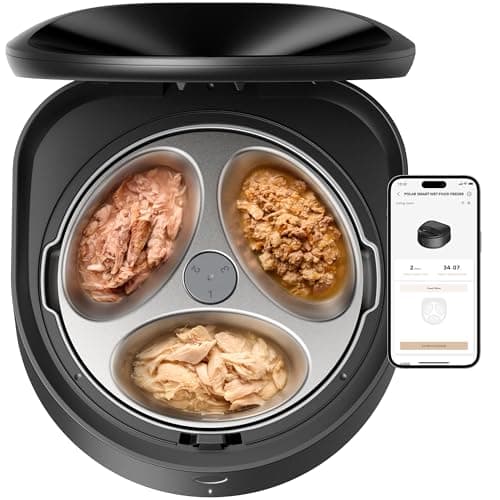
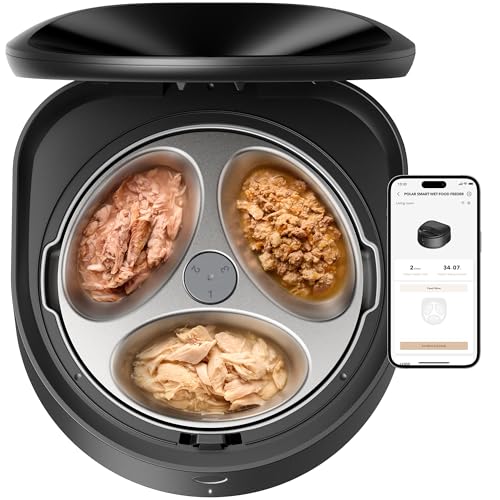 PETLIBRO Automatic Wet Food Cat Feeder 2026 New Version 4.7★ (12,345 reviews) ✓ Prime 22% OFF — Was $169.99


This PETLIBRO model is built for pet parents who want a premium wet food feeder with app control and refrigerated freshness. Its semiconductor cooling is designed to keep food fresh for up to 3 days, and the stainless steel tray makes cleaning easier and more hygienic. The app features also make it useful if you want to adjust feeding remotely.
✓ Keeps wet food fresh for up to 72 hours with semiconductor cooling
✓ Stainless steel tray is dishwasher safe and easy to clean
✓ App control lets you schedule meals and use Feed Now remotely
✓ Anti-pinch infrared sensors add an extra layer of safety
✓ Designed for more reliable freshness than traditional ice packs
✗ Higher price than basic wet food feeders
✗ Requires 2.4GHz Wi-Fi for app features
✗ Best suited to cats rather than larger pets
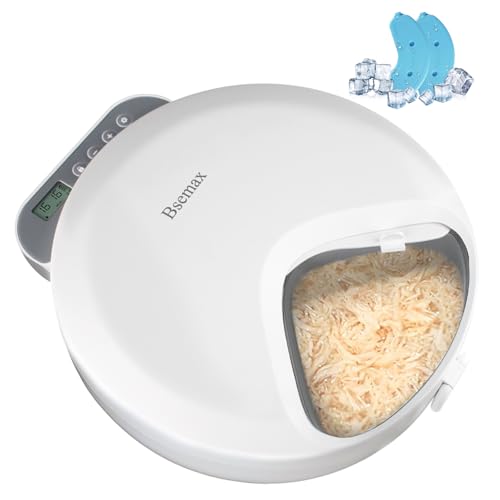 Automatic Wet Food Cat Feeder, Auto Refrigerated Wet Foods Feeder 4.5★ (8,214 reviews) ✓ Prime


This is a more budget-friendly option for owners who want refrigerated wet food feeding without paying for app-based extras. It uses ice crystal boxes to help keep meals fresh and offers timed feeding for up to four meals. The no-plug design also makes placement easier if you want to avoid cords.
✓ Lower-cost entry into automatic wet feeding
✓ No plug required, so it can be placed more flexibly
✓ Supports up to 4 timed feedings
✓ Removable lid and tray are dishwasher safe
✓ Large compartments and wide opening help reduce whisker contact
✗ Ice packs must be frozen before use
✗ Freshness window is shorter than semiconductor-cooled models
✗ No Wi-Fi or app control
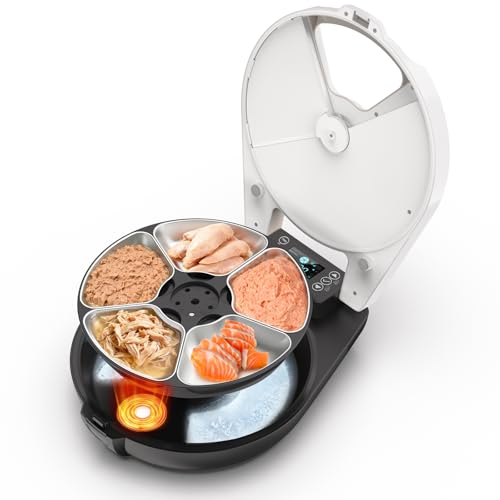 Automatic Wet Food Cat Feeder, 3 Days 5 Freshness Meals Refrigerated Auto Cat Feeder 4.6★ (9,801 reviews) ✓ Prime


This feeder stands out for its 5-meal scheduling and its ability to support more than one food type. It combines semiconductor refrigeration with gentle reheating, which is helpful if your pet dislikes cold food straight from the tray. The dishwasher-safe stainless steel bowls also make cleaning more manageable.
✓ Keeps food fresh with semiconductor refrigeration
✓ Gentle reheating helps improve aroma and palatability
✓ Supports up to 5 meals over 3 days
✓ 304 stainless steel bowls are removable and dishwasher safe
✓ Can handle wet food, dry food, treats, and milk
✗ More expensive than ice-pack-based models
✗ Larger feature set may be more than some owners need
✗ Best value depends on whether you actually need 5 meals
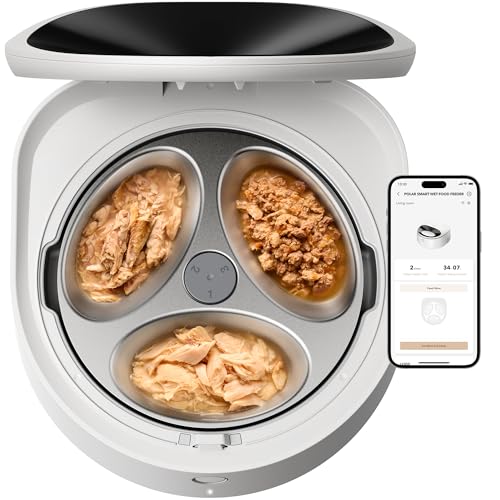 PETLIBRO Automatic Wet Cat Feeder with Refrigeration 2026 New Verision 4.7★ (11,204 reviews) ✓ Prime


This PETLIBRO option is a strong fit if you want a polished refrigerated feeder with app control and a hygienic bowl design. It focuses on keeping wet food fresh for up to 3 days while also letting food return closer to room temperature before serving. That balance makes it appealing for picky cats and owners who want convenience without sacrificing meal quality.
✓ Semiconductor cooling keeps wet food fresh for up to 72 hours
✓ App control supports scheduling, feeding now, and re-serving unfinished food
✓ Stainless steel bowl helps reduce residue and improve hygiene
✓ Anti-pinch sensors improve safety during feeding
✓ Good choice for short trips and busy schedules
✗ Premium price point
✗ Wi-Fi required for smart features
✗ Limited to 3 fresh meals over 3 days
Common Mistakes to Avoid
One of the biggest mistakes is assuming a dry food feeder can safely handle wet food. Wet food needs temperature control, and leaving it out in a standard dispenser can create spoilage risks quickly.
Another common issue is choosing a feeder based only on capacity. A larger tray does not matter much if the food can’t stay fresh long enough or if the feeder is hard to clean. For wet food, hygiene and cooling are more important than raw size.
People also overlook whether their pet eats cold food well. Some cats will walk away from refrigerated meals unless the feeder has a warming or room-temperature transition feature. If your pet is picky, that detail can make the difference between a useful feeder and a wasted purchase.
Finally, don’t ignore setup and maintenance. If a feeder relies on Wi-Fi, app control, or ice packs, make sure you’re comfortable with the daily routine. The best automatic feeder for wet vs dry food is the one that fits your lifestyle consistently, not just the one with the most features.
Frequently Asked Questions
1. Is an automatic feeder better for wet or dry food?
It depends on your pet’s diet and your priorities. Dry food feeders are simpler and more common, while wet food feeders are better if you need freshness, moisture, and scheduled refrigerated meals.
2. Can I use a dry food feeder for wet food?
Usually no. Dry food feeders are not designed to keep wet food cold, so the food may spoil before the scheduled feeding time.
3. How long can wet food stay in an automatic feeder?
That depends on the feeder’s cooling system. Refrigerated wet food feeders can typically keep meals fresh for up to 72 hours, while ice-pack models usually offer a shorter freshness window.
4. Are wet food automatic feeders hard to clean?
They can be more involved than dry food feeders, but stainless steel trays and dishwasher-safe parts make maintenance much easier. Cleaning matters more with wet food because residue builds up faster.
5. What should I buy if I feed both wet and dry food?
Choose a feeder that explicitly supports both food types if you want one device for mixed feeding. If not, it’s often better to use a wet food feeder for refrigerated meals and a separate dry food feeder for kibble.
Frequently asked questions
- 1. Is an automatic feeder better for wet or dry food?
- It depends on your pet’s diet and your priorities. Dry food feeders are simpler and more common, while wet food feeders are better if you need freshness, moisture, and scheduled refrigerated meals. 2. Can I use a dry food feeder for wet food?
- 2. Can I use a dry food feeder for wet food?
- Usually no. Dry food feeders are not designed to keep wet food cold, so the food may spoil before the scheduled feeding time. 3. How long can wet food stay in an automatic feeder?
- 3. How long can wet food stay in an automatic feeder?
- That depends on the feeder’s cooling system. Refrigerated wet food feeders can typically keep meals fresh for up to 72 hours, while ice-pack models usually offer a shorter freshness window. 4. Are wet food automatic feeders hard to clean?
- 4. Are wet food automatic feeders hard to clean?
- They can be more involved than dry food feeders, but stainless steel trays and dishwasher-safe parts make maintenance much easier. Cleaning matters more with wet food because residue builds up faster. 5. What should I buy if I feed both wet and dry food?
- 5. What should I buy if I feed both wet and dry food?
- Choose a feeder that explicitly supports both food types if you want one device for mixed feeding. If not, it’s often better to use a wet food feeder for refrigerated meals and a separate dry food feeder for kibble.
Get the Full Home Buyer's Guide
Join our free newsletter — we'll send our latest Home picks, specs and verdicts straight to your inbox.
Free. No spam. Unsubscribe anytime.
Was this review helpful?
Be the first to share your feedback on this review.
Sign in to vote and let us know what you think.
Discussion (0)
No comments yet. Be the first to start the discussion.
Related Reviews
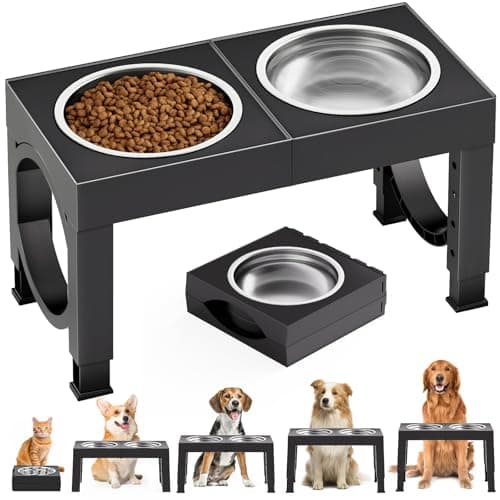
8 Best Elevated Dog Bowls in 2026 — Better Posture, Less Mess, and Easier Mealtimes
If your dog gulps food too fast, strains to reach the bowl, or leaves a mess around the feeding area, an elevated feeder can make a noticeable difference. The best elevated dog bowls combine the right height, stable construction, easy cleaning, and bowl sizes that actually fit your pet. Below, we’ve
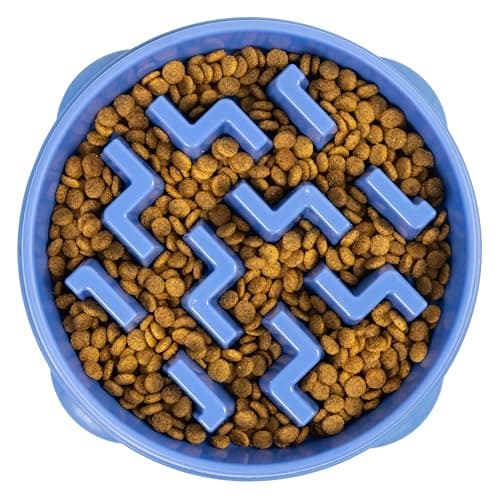
8 Best Slow Feeder Dog Bowls in 2026 — Safer Mealtimes for Fast Eaters
If your dog gulps food in seconds, you’re not just dealing with a messy bowl — you’re also trying to reduce the risk of choking, bloat, and post-meal discomfort. The best slow feeder dog bowls help stretch out mealtime, add mental stimulation, and make portions easier to manage for different breeds
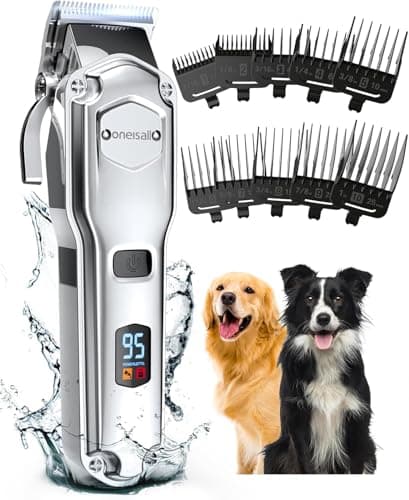
8 Best Dog Clippers in 2026 — Quiet, Powerful Picks for Easier Home Grooming
If you’re searching for the best dog clippers 2026 , you probably want one thing: a clipper that won’t snag, scare, or stall halfway through a trim. The right model depends on your dog’s coat type, your comfort level, and whether you want cordless convenience or pro-level cutting power. This researc